Professional Video Cameras: Cinema and Broadcasting Technologies
Professional video cameras are advanced devices used for cinema, television broadcasting, documentary filmmaking, and high-quality content production. Furthermore, these cameras outperform amateur models with their image quality, functionality, and technological superiority. Professional cameras used in the cinema and broadcasting sectors offer limitless possibilities for creative projects, supported by constantly evolving technologies. This article provides a detailed look at the technical specifications of professional video cameras, the technologies used, and innovations in the industry.
1. Key Features of Professional Video Cameras
The fundamental characteristics of professional video cameras are their ability to capture high-quality footage and adapt to various shooting scenarios. Here are the prominent features of these cameras:
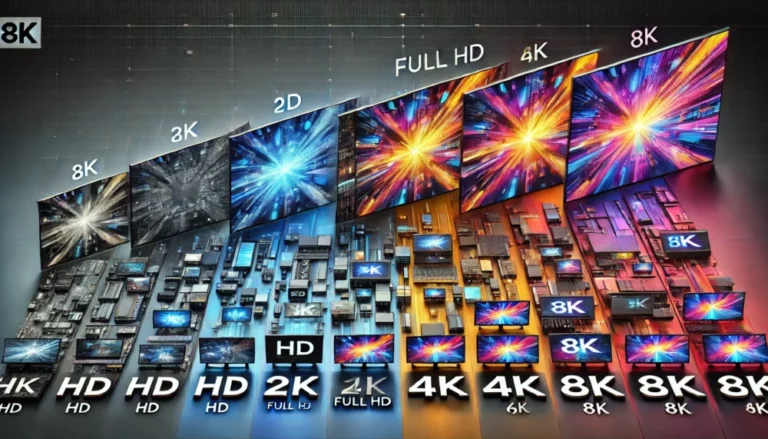
- High Resolution: They specifically have the capacity to shoot in 4K, 6K, 8K, and even 12K.
- High Dynamic Range (HDR): They also create cinematic images by capturing light and shadow details more realistically.
- Interchangeable Lenses: They specifically support wide-angle, telephoto, and macro lenses for different shooting scenarios.
- RAW Format Support: They also support uncompressed video formats that provide greater editing flexibility.
- Professional Audio Inputs: They offer high-quality audio recording, particularly with XLR and other professional audio inputs.
- Durability: Additionally, they are manufactured from materials resistant to harsh environmental conditions.
2. Cinema Cameras and Utilized Technologies
Cinema cameras are devices specifically designed for the needs of the film industry. Moreover, they offer top-level performance in terms of image quality and color accuracy. Here are the standout technologies of cinema cameras:
2.1 Sensor Technology
- Full Frame Sensors: These specifically provide a wider field of view and superior performance in low light.
- Super 35 Sensors: This is also a widely used standard in the cinema industry and offers a cinematic look.
- Global Shutter: This specifically prevents the “rolling shutter” effect in high-motion scenes.
2.2 Color Science
Cinema cameras deliver superior performance in terms of color accuracy and color transitions:
- Log Profiles: They also support color profiles such as S-Log, C-Log, and V-Log for a wider dynamic range.
- RAW Video: This specifically provides maximum flexibility for color grading and post-production.
2.3 Lens Compatibility
Cinema cameras are compatible with PL-Mount, EF-Mount, and other lens mounts. At the same time, this makes it possible to use professional cinema lenses.
3. Broadcasting Cameras and Utilized Technologies
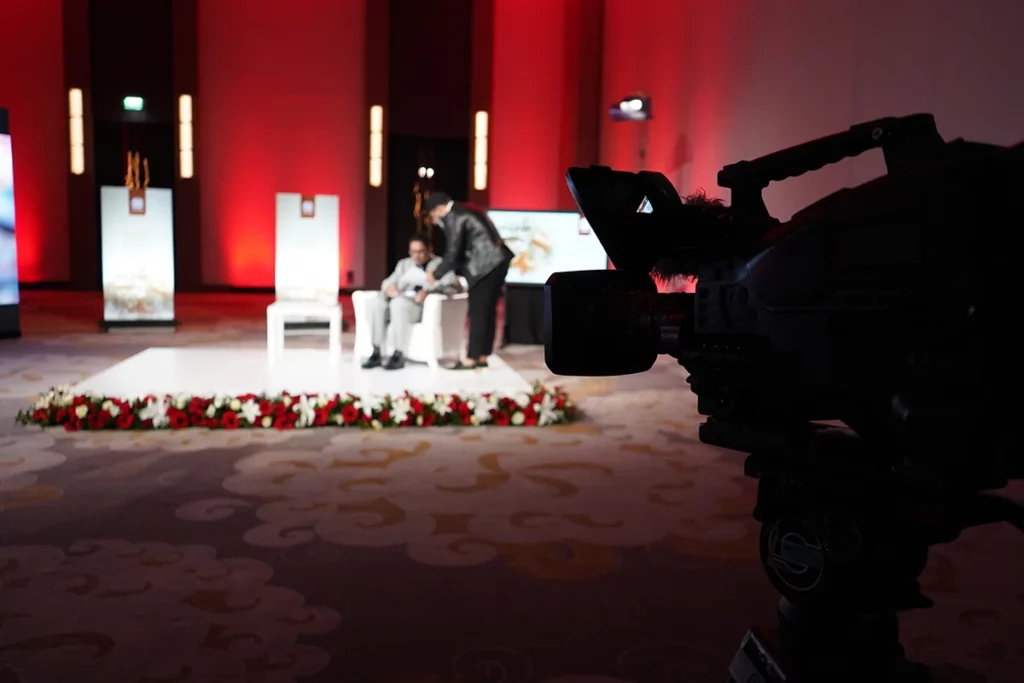
Cameras used for television broadcasting are designed for fast setup, live broadcast support, and long-term use. Here are the prominent features of broadcasting cameras:
3.1 Live Broadcast Support
- SDI and HDMI Outputs: These also provide high-quality video transmission.
- IP Broadcast Technology: This specifically offers the possibility of live streaming over the internet.
- Remote Control: This also allows for the remote control of camera settings.
3.2 Long-Term Shooting Capacity
Broadcasting cameras are designed to be suitable for long-duration shoots:
- High-Capacity Batteries: These provide sufficient energy, especially for long-duration shoots.
- Cooling Systems: These prevent the camera from overheating.
3.3 Multi-Camera Setups
Broadcasting cameras support synchronization in multi-camera shoots and excel in live productions.
4. Next-Generation Professional Video Cameras
Professional video cameras are supported by constantly evolving technologies. Here are the next-generation technologies:
- 8K and 12K Shooting: Provides higher resolution and detail.
- AI-Powered Autofocus: Tracks moving objects more accurately.
- Virtual Production: Technology for creating real-time backgrounds with LED walls instead of green screens.
- Lightweight and Compact Designs: More portable and easy-to-use cameras.
Conclusion
Professional video cameras are indispensable tools for the cinema and broadcasting sectors. Moreover, these cameras, supported by advanced sensor technologies, color science, lens compatibility, and next-generation technologies, offer limitless possibilities for creative projects. To be successful in the world of cinema and broadcasting, choosing the right camera and using technology effectively is of great importance.
We offer professional camera rental and live broadcast services for multi-camera shoots and live streaming. Additionally, you can review SMPTE resources for broadcast and cinema standards.
Cameras record not just images, but time and emotions as well. Every shot tells a story.
Georges Méliès · Pioneer of Cinema and Visual Effects Expert