Events and conferences are among the most crucial platforms where brands, organizations, and individuals interact with their target audiences. However, a successful conference planning process does not solely depend on content or participants; the flawless planning and implementation of the technical infrastructure also play a critical role. This guide also thoroughly covers the strategies, technical setup requirements, and technologies used in event and conference planning.
1. Event and Conference Planning Strategies
1.1 Goal Setting
- Define the Purpose: Specifically, determine the main objective of the event, such as education, promotion, entertainment, or sales.
- Understand the Target Audience: Additionally, plan content and technical requirements based on participants’ demographics, interests, and expectations.
1.2 Planning by Event Type
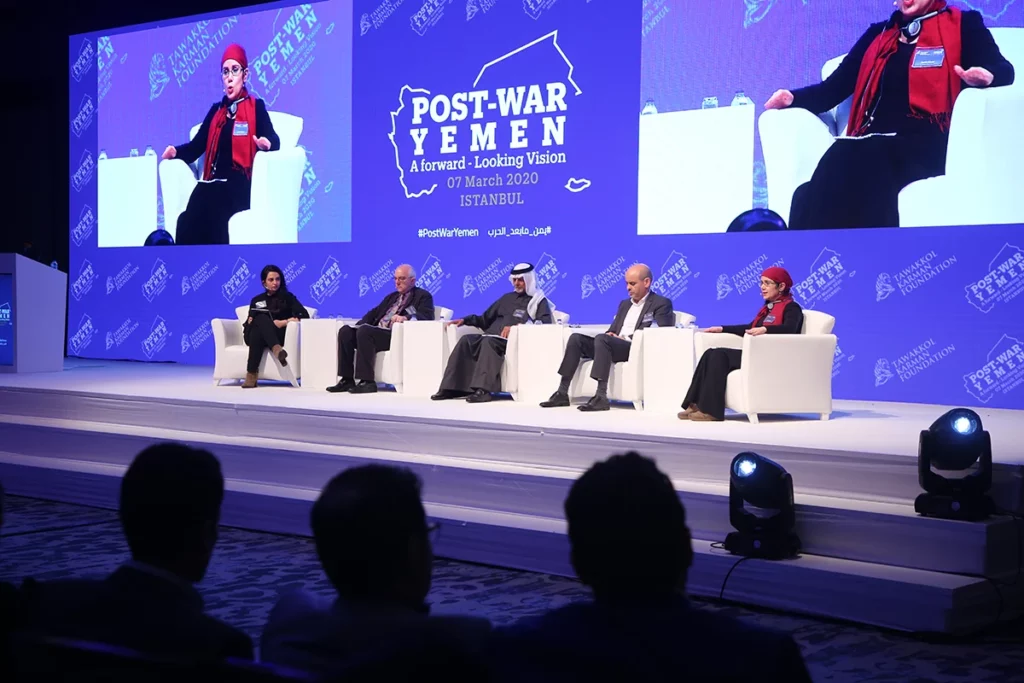
- Conferences: Primarily focused on intensive information transfer and typically require professional sound, video, and lighting systems.
- Launch Events: High-impact LED screens, projection mapping, and impressive sound systems are essential.
- Stage Shows: Dynamic lighting, powerful sound systems, and stage design are paramount.
1.3 Timeline and Team Management
- Prepare a Timeline: Additionally, create a detailed timeline for before, during, and after the event.
- Team Coordination: Specifically, establish an effective communication network among the technical team, logistics team, and content team.
2. Venue Selection and Location Planning
2.1 Venue Selection Criteria
- Capacity: In the conference planning process, choose a venue of appropriate size for the number of participants.
- Technical Infrastructure: Specifically, evaluate the venue’s existing sound, lighting, and video systems.
- Accessibility: Additionally, pay attention to the location’s transportation options and parking capacity.
2.2 Venue Layout Plan
- Stage and Seating Arrangement: Specifically, arrange to optimize viewing angles.
- Equipment Placement: Additionally, provide sufficient space for the placement of sound, lighting, and video equipment.
- Control Area: Create a control room or area for the technical team.
3. Conference Planning: Technical Setup and Requirements
3.1 Sound Systems
Sound quality directly impacts the participants’ experience of the event:
- Speakers: The correct speaker types (line array, subwoofer, etc.) should be selected according to the venue’s size.
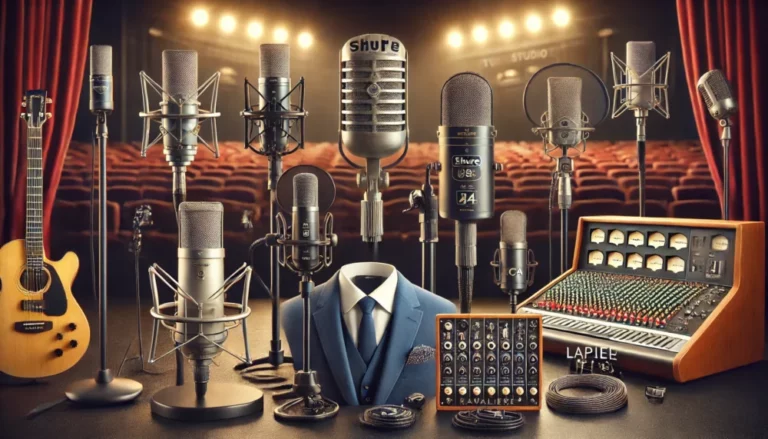
- Microphones: You can use options such as wireless microphones, lavalier microphones, and tabletop microphones.
- Audio Mixer: A high-quality audio mixer is necessary for balancing and controlling all sound sources.
- Acoustic Control: The venue’s acoustics should be analyzed, and acoustic panels should be used for echo or noise issues.
3.2 Lighting Systems
Lighting plays a critical role in creating the stage atmosphere and attracting participants’ attention:
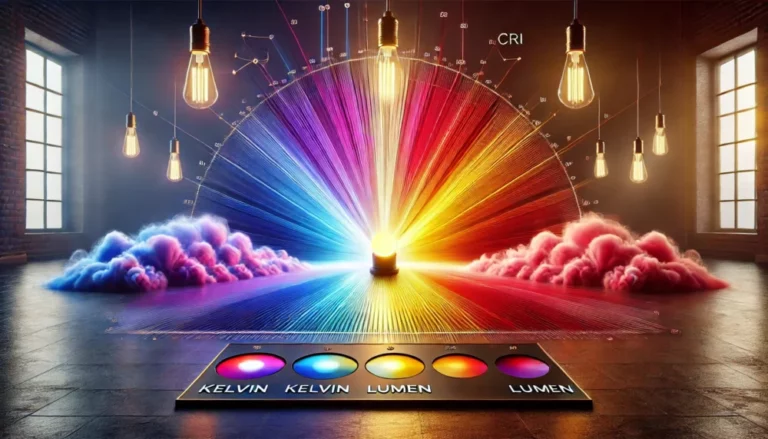
- Stage Lights: You can use moving head lights, spot lights, and LED light panels.
- Ambient Lighting: You can opt for colored LED lights to support the general atmosphere of the venue.
- DMX Control Systems: The DMX protocol should be used for synchronized control of lights.
3.3 Video Systems
The visual elements of the event ensure that the message is conveyed effectively:
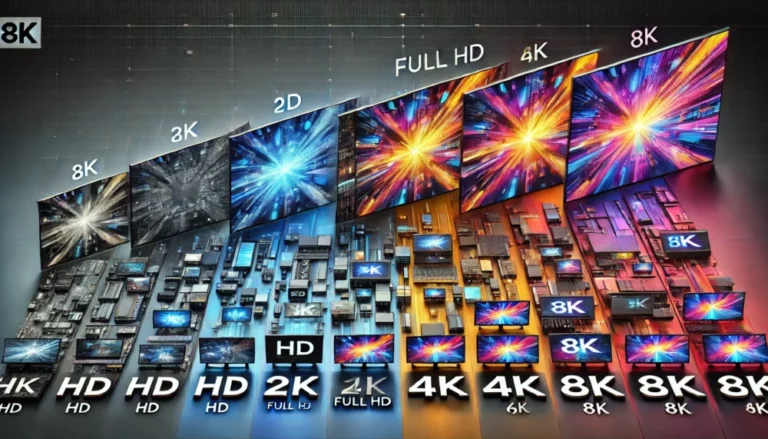
- LED Screens: High-resolution LED panels are the most preferred display tools for large events.
- Projection Systems: You can present creative visuals with projection mapping.
- Video Mixer: Necessary for combining different video sources and controlling transitions.
- Camera Systems: Professional camera systems should be installed for live broadcasting or recording.
3.4 Stage Design
The stage, being the focal point of the event, should be designed carefully:
- Height and Size: Choose a height that allows participants to comfortably see the stage.
- Decor and Background: Use decor and background designs appropriate for the event’s theme.
- Moving Stage Systems: For large events, mechanical systems can be used to allow the stage to move dynamically.
4. Technological Innovations
New technologies also make a difference in the conference planning process.
- Augmented and Virtual Reality (AR/VR): You can offer interactive experiences to participants.
- Hologram Technology: Ideal for remote participants or impressive presentations.
- Live Streaming and Hybrid Events: You can reach a wider audience by combining physical and digital participation.
Conclusion
Planning a technically flawless event or conference requires a detailed preparation process and professional teamwork. Furthermore, the correct use of sound, lighting, video, and stage technologies directly impacts the participant experience. The strategies and technical details discussed in this guide will help you elevate your events to the next level.
For the technical side of your conference planning process, you can get support from our technical project consultancy service. Additionally, you can review Events Industry Council resources for industry standards.
The sharing of knowledge is one of humanity’s greatest strengths; knowledge shared on a well-planned platform can change the world.
Albert Einstein · Scientist